When Parked Doesn’t Mean Preserved
A car sitting in a driveway or garage is exposed to time the same way a car on the road is exposed to miles. The battery drains, fuel degrades, brakes corrode, and tires lose their shape, all without the engine ever turning over! Rockford towing calls that start with a parked vehicle are more common than most drivers expect, and the problems that develop on a sitting car follow a predictable pattern once you know what to look for.
What Happens While the Car Sits Still
A car left parked long enough will develop problems across multiple systems, and they don’t all develop on the same timeline. Electrical issues tend to arrive first, while the fuel, brake, and tire problems that follow are harder to address once they’ve had time to set in.
The Battery and the First Few Weeks
A modern vehicle battery loses charge even when nothing is actively running, because the car draws a small continuous current to maintain memory in its computers and modules. In a healthy battery at moderate temperatures, this parasitic draw takes two to four weeks to bring the charge low enough that the car won’t start. In hot weather or with an older battery, that window shrinks. Batteries that are fully discharged and then jump-started repeatedly often lose capacity and fail within a season.
Fuel, Brakes, and Tires After a Few Months
Modern fuel containing ethanol begins breaking down in as little as 30 days and can leave varnish deposits in the fuel system after three to six months that cause rough running or prevent starting entirely. Brake rotors develop surface rust within days of sitting in wet conditions, and while light rust usually clears with use, extended sitting can produce corrosion that causes uneven braking or stuck calipers. Tires develop flat spots from sustained contact with the same surface, which causes vibration and irregular wear once the car is moving again.
The Problems That Look Simple but Aren’t
A car that won’t start after sitting rarely has just one issue. The battery is often the obvious culprit. It may well be dead, but starting a car that has been parked for months can reveal layers underneath: stale fuel that misfires or doesn’t combust cleanly, brakes that drag or feel soft, a battery that won’t hold a charge after being repeatedly run down.
Rockford towing calls involving vehicles that have been sitting often begin with “it just needs a jump” and end with a conversation about what comes next. Getting the engine running is only the first step toward getting the car safely back on the road, and there is usually a shop visit between those two things.
When a Parked Car Needs a Tow
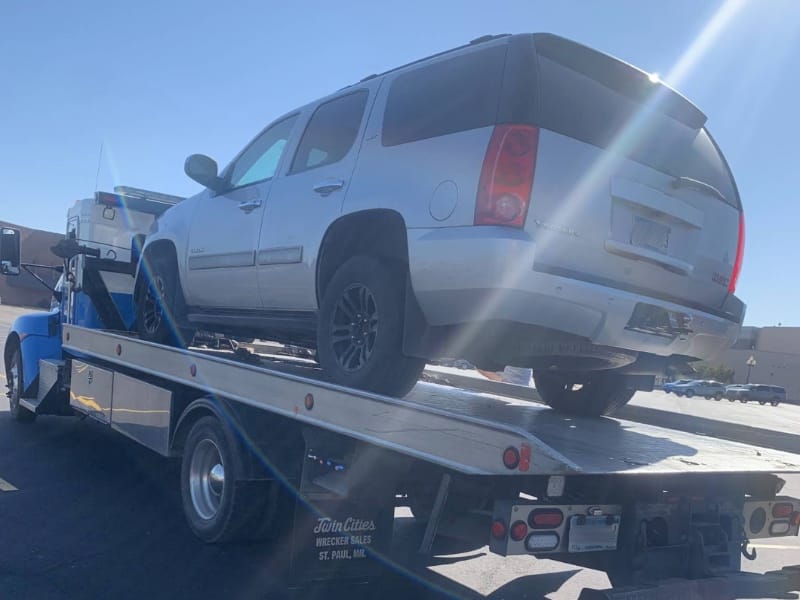
A car that has sat for more than a few months may not be safe to drive even if it starts. Before putting a long-parked vehicle back into regular use, it’s worth checking:
- Tire pressure and visible sidewall condition for cracking or bulging
- Brake pedal feel before attempting to move at speed
- Engine behavior on a first start, including rough running or misfires
- Fluid levels and any signs of leakage underneath the vehicle
- Belt condition for any rubber components that may have dried or cracked
If any of those checks turn up a concern, or if the car won’t start at all, our Rockford towing service gets the vehicle where it needs to go without adding miles or stress to an already compromised car.
Twin Cities Transport Handles Rockford Towing for Vehicles That Have Been Off the Road
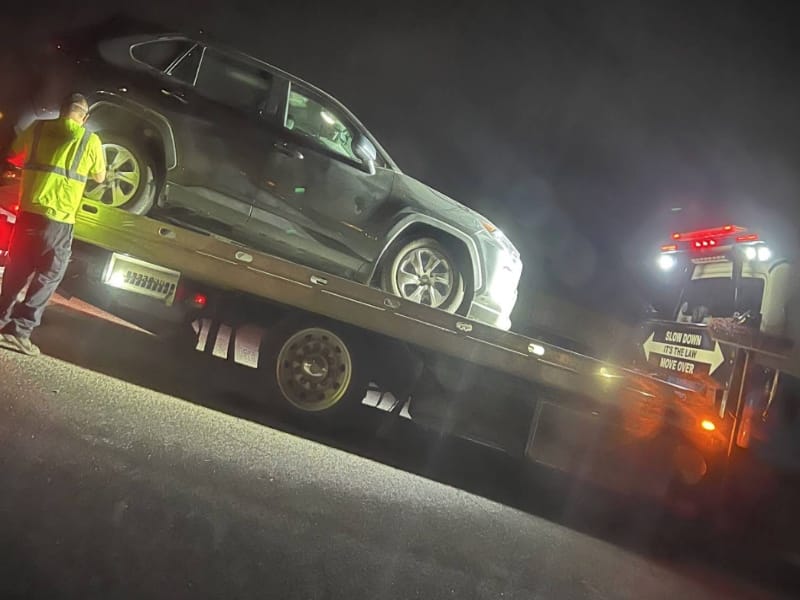
Twin Cities Transport provides Rockford towing for vehicles that haven’t moved in weeks, months, or longer. We handle everything from dead-battery calls to full recovery of cars coming out of storage, and our Rockford towing crew arrives prepared to move a vehicle that may not be drivable. We approach a long-parked car differently than a fresh breakdown because the conditions at the scene and the risks on the road are different.
When Twin Cities Transport takes a Rockford towing call for a sitting vehicle, we assess the situation before we move it. Call us when the car is down and we will take it from there.
FAQ
Can I start a sitting car periodically to keep the battery charged?
Running the engine for a few minutes does more harm than good. A short idle doesn’t fully recharge a battery and can actually build moisture in the exhaust system and oil. To maintain a battery in a stored vehicle, a battery tender or trickle charger is the better option. These devices maintain a float charge without overcharging and are widely available at auto parts stores.
How should I store a car long-term to prevent problems?
Fill the fuel tank and add a fuel stabilizer before parking, which slows ethanol breakdown. Keep the tires properly inflated and, if possible, place the car on jack stands to eliminate flat-spotting. Use a battery tender to maintain the charge. Leave the parking brake off on a long-term storage vehicle, as calipers can seize against the rotors over time. A weatherproof cover helps keep moisture and pests out.
What is a parasitic draw and which systems cause it most often?
Parasitic draw is the continuous low-level current a vehicle uses even when it’s turned off, to maintain functions like the clock, alarm system, remote start module, and computer memory. Most vehicles draw between 20 and 50 milliamps at rest, which is normal. An above-normal draw from a faulty module, an interior light that stays on, or an aftermarket accessory can drain a battery in days rather than weeks. A shop can test for this with an ammeter.
Is it safe to drive on brakes that have surface rust from sitting?
Light surface rust on rotors usually clears after a few gentle stops. You may notice some roughness or a grinding sensation for the first block or two. If the noise or rough braking persists after a short drive, the corrosion is deeper and the brakes should be inspected before driving at speed. Calipers that have partially seized can cause the vehicle to pull to one side and should be addressed before any highway driving.
Can stale fuel damage fuel injectors or the fuel pump?
Yes. Ethanol-blended fuel leaves behind gum and varnish deposits as it degrades, and those deposits can clog injectors, restrict fuel pump screens, and leave residue on intake valves. The damage varies by how long the fuel sat and the temperature conditions. In mild cases, a fuel system cleaner added to fresh fuel resolves the issue. In more severe cases, injector cleaning or replacement may be needed before the engine runs properly.
How long can a car typically sit before the tires suffer permanent damage?
Flat spots from stationary contact are usually temporary in warmer conditions and resolve after driving a few miles. In colder temperatures or after months of sitting, flat spots can become permanent and cause consistent vibration that doesn’t improve with driving. Tire sidewalls also dry out and crack from UV exposure and ozone over time, regardless of whether the car moves. Tires that have been stationary for more than a year need careful inspection before driving.