Treading Carefully
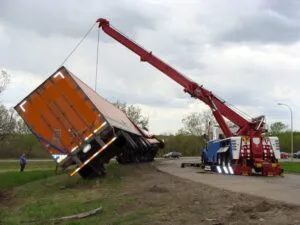
A driver hits a chunk of recap on the highway. The steer tire shredded, took out the brake line, and bent the fender back into the wheel well. The driver did everything right after the blowout but the truck still needed a heavy tow. A call like that can take us several hours to cover, even when the damage started only with one tire. Tire blowouts happen can happen in the blink of an eye. A steer tire can fail in less than a second and the driver has to react before the truck pulls into another lane. On Dayton Pkwy semi towing calls we see the aftermath of those first few seconds. Sometimes the driver kept it straight and got to the shoulder clean.
Sometimes the rig clipped a guardrail or the blown tire wrapped around the axle and locked the steering. A blowout does not always mean a tow but when it does the damage usually goes beyond the tire.
What Makes a Semi Tire Fail
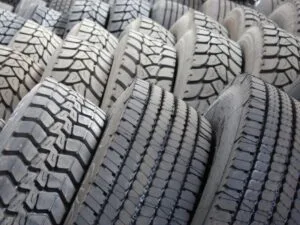
Low air pressure is the most common cause. A tire running 15 pounds under spec flexes more with every rotation and builds heat faster than it should. Add speed, weight, and July heat on blacktop and the casing can separate without warning. We have also seen blowouts from road debris, worn tread, old sidewalls, and overweight trailers that push the tire past its rating.
Recaps shed more often than new tires. A piece of loose tread can fly off one truck and land in front of another. Drivers call them road gators and they sit in the lane looking like a speed bump until someone runs them over at 65. We have responded to blowouts caused by debris the driver never saw coming.
What Happens in the First Ten Seconds
The tire lets go and the truck pulls toward the blown side. The driver needs to hold the wheel steady, avoid hard braking, turn on the flashers, and ease toward the shoulder when there is room.
Once stopped, the driver should set triangles if it is safe and stay clear of traffic. Dispatch needs the mile marker, direction, failed tire position, trailer type, load status, and whether the truck still has air pressure.
Mistakes That Make the Damage Worse
Drivers sometimes try to limp the truck farther than they should. A shredded tire can wrap around the axle, tear into brake lines, rip off mudflaps, or start a fire from friction. We have seen rims ground down to nothing because the driver thought they could make it another two miles.
Hard braking right after a tire fails can push the trailer sideways or lock up wheels that still have good tires. Yanking the steering wheel can flip a top heavy load or send the trailer into a guardrail. Trying to change the tire on a narrow shoulder with traffic passing at highway speed puts the driver at risk. If the shoulder is soft or sloped the truck can settle or tip while jacked up.
When a Blowout Becomes a Towing Call
A clean tire failure may only need a service truck and a spare. Dayton Pkwy semi towing comes into play when the blowout damages suspension, brakes, steering, or leaves the truck unable to move without making things worse.
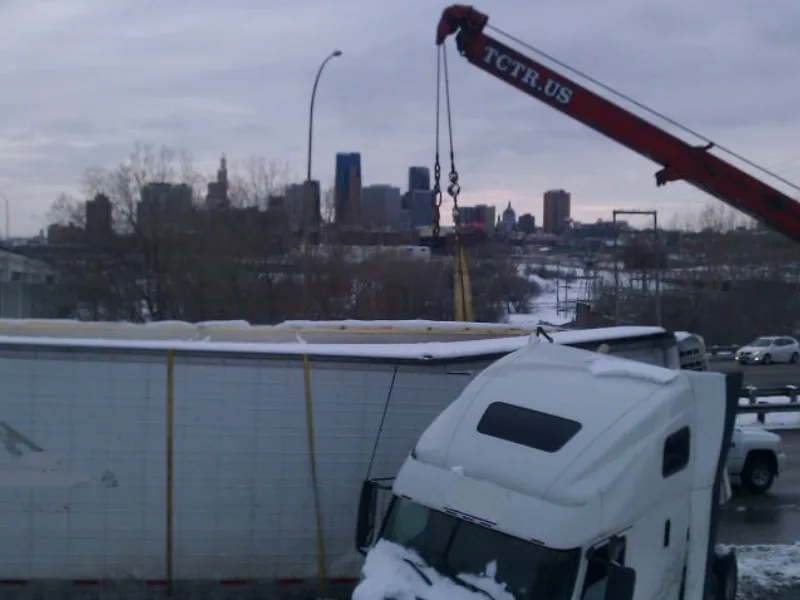
Sometimes the tractor moves and the trailer stays. Sometimes the whole combination goes together. On Dayton Pkwy semi towing calls, that depends on the load, damage, shoulder width, and what the fleet needs next.
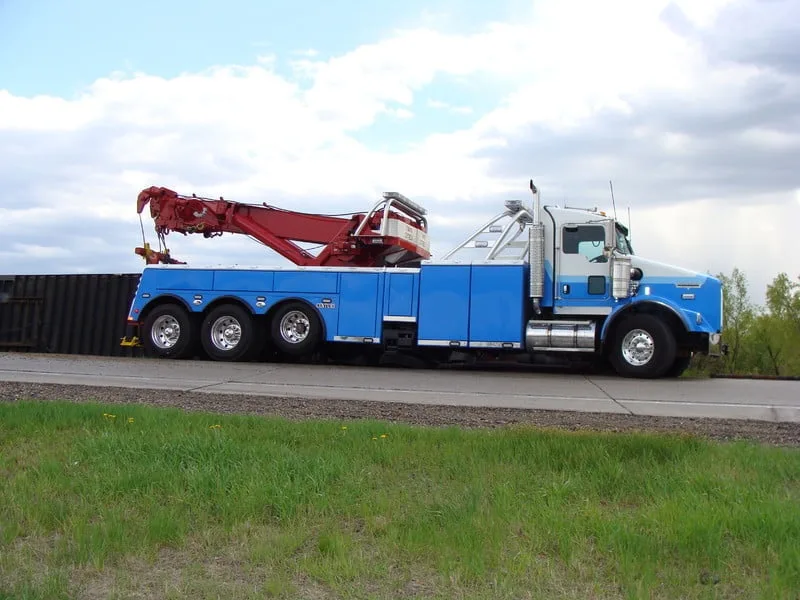
Twin Cities Transportation & Recovery Handles Dayton Pkwy Semi Towing After Tire Failures
Twin Cities Transportation & Recovery has been family owned and operated since 1967. We started as a one truck operation and now run over 100 vehicles out of seven locations across Minneapolis, St. Paul, Blaine, Crystal, Oakdale, and White Bear Lake. Our dispatchers, mechanics, and operators work as one team which helps on semi-truck towing calls where a blown tire may involve brake damage, suspension issues, or transport needs.
Our Dayton Pkwy semi towing team operates 24 hours a day, 7 days a week, 365 days a year because tire blowouts do not wait for business hours. Our dispatchers know our fleet and ask the right questions to send the right truck the first time. Dayton Pkwy semi towing after a blowout may start with a shredded tire but the real job is getting the driver, the truck, and the load to the next safe step without making the damage worse. We see these calls year round and we know what a blown steer tire can do to a fender, a brake line, or a loaded rig sitting on a narrow shoulder.
FAQs
What should a truck driver do first after a tire blowout?
Hold the wheel steady and avoid hard braking. Ease off the throttle, turn on the flashers, and move toward the shoulder only when there is room.
Can a blown semi tire damage the brake system?
Yes. Shredded rubber can tear into brake lines, hoses, chambers, fittings, and wiring. If the truck cannot build air, it should not keep moving.
Is it safe to change a semi tire on the shoulder?
Only if there is enough room and traffic is not too close. A narrow, soft, or sloped shoulder can make roadside tire work risky.
Why do recaps come apart on the highway?
Recaps can fail from heat, age, low pressure, casing damage, or poor bonding. Loose tread from another truck can also damage tires on nearby vehicles.
When does a tire blowout need a tow instead of roadside service?
A tow may be needed if the rim, axle, brakes, steering, or suspension are damaged. The truck’s road position and load also affect the decision.
What information helps dispatch after a semi tire failure?
Give the road marker, travel direction, failed tire position, trailer type, load status, and visible damage. Photos help the towing company send the right truck.