Putting the Recovery in Gear
A semi crash can turn a normal highway trip into a complicated roadside situation within seconds. Traffic may continue moving around the truck while the driver deals with emergency calls, fleet contacts, and questions about the tractor and trailer. For drivers who may need I-94 semi towing, the first ten minutes are a useful time to establish the basic facts before recovery planning begins.
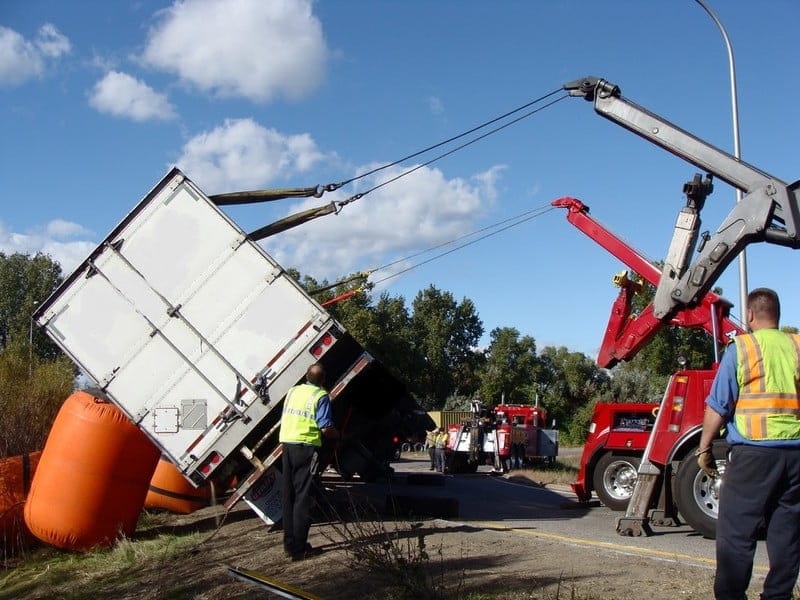
No Time to Spin Your Wheels
After checking for injuries and calling emergency services when necessary, focus on what can be seen from a secure position. A damaged vehicle may have steering, brake, axle, suspension, or coupling problems that are not obvious right away. Drivers should avoid moving the truck unless police or emergency personnel provide direction. Clear observations give responders something useful to work with.
Good Information Has to Reach the Right People
The first call does not need to include every mechanical detail. A dispatcher can learn a great deal from the truck’s location, direction of travel, trailer type, lane position, and visible damage. If the driver knows about a cargo issue or fluid leak, that information should be shared as well.
Communication may continue through several calls as the scene develops. Fleet managers, police, towing dispatchers, and insurance representatives may all need updates at different points. Drivers can help keep the process organized by sticking to confirmed facts and noting any changes after emergency crews arrive.
Recovery Planning Starts With a Clearer Picture
Once the immediate scene is under control, the towing provider can begin evaluating what the truck may require. A request for semi towing on I-94 could involve a tractor that still rolls, a damaged trailer, or a combination vehicle that has left the roadway. Providers handling heavy-duty towing along I-94 need current information about the truck’s position and condition before deciding how to approach the recovery.
A useful update can include:
- Mile marker, exit, or nearby crossroad
- Direction of travel
- Tractor and trailer configuration
- Visible wheel, tire, or axle damage
- Number of blocked lanes
- Known cargo concerns
- Changes reported by emergency responders
Those details can help keep an I-94 truck towing response aligned with the conditions on scene. If a lane closes, a trailer shifts, or new damage becomes visible, that update may affect the recovery plan. Accurate information also gives fleet contacts a cleaner picture of what is happening before the truck is moved.
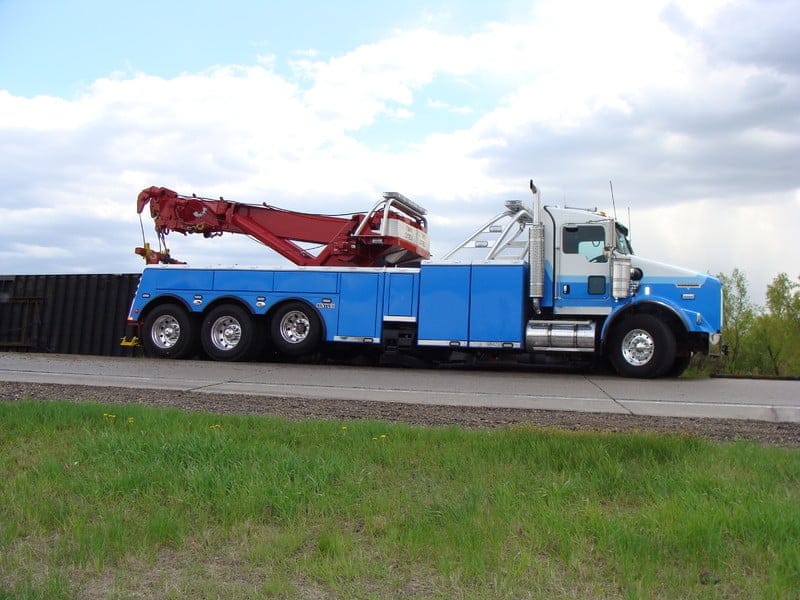
Twin Cities Transport and Heavy Truck Support Near I-94
Twin Cities Transport and Recovery has been family owned and operated since 1967. The company started with one tow truck and has grown to more than 100 vehicles operating from seven locations across the Twin Cities area. That growth supports our work in commercial towing near I-94, along with towing for passenger cars, semi-trailers, and other heavy vehicles.
We approach difficult towing calls as problem solvers and assess each situation before deciding how to proceed. Our team handles jobs ranging from everyday towing to more involved heavy truck work, giving drivers and fleets access to a tow truck service for semis on I-94 when a commercial vehicle needs help. For semi-truck recovery along I-94, Twin Cities Transport brings decades of towing experience and a family run approach that has guided the business since its one truck beginning.
FAQs
Can a semi be towed if one of its tires has come off?
Yes, but missing or badly damaged wheels can change how the truck must be prepared. The towing crew will assess the axle, hub, and surrounding components before movement.
What happens if a tractor-trailer hits a guardrail?
Guardrail contact can damage steering, suspension, wheels, body panels, or the trailer. The truck should be checked before anyone assumes it can continue driving.
Should I leave the truck running while I wait for help?
That depends on the damage and surrounding conditions. If you notice smoke, leaking fluids, unusual noises, or warning lights, follow instructions from emergency personnel.
Can a semi crash damage the fifth wheel?
Yes. A strong impact can affect the fifth wheel, kingpin, or related mounting components. Damage there may change how the tractor and trailer are handled.
What if the trailer doors will not open after an accident?
Do not force them. Shifted cargo or trailer damage can place pressure against the doors and create a hazard when they release.
Can a truck be recovered if it is stuck against a barrier?
Often, yes. The recovery crew may need to reposition or lift part of the truck before towing begins, depending on the angle and damage.